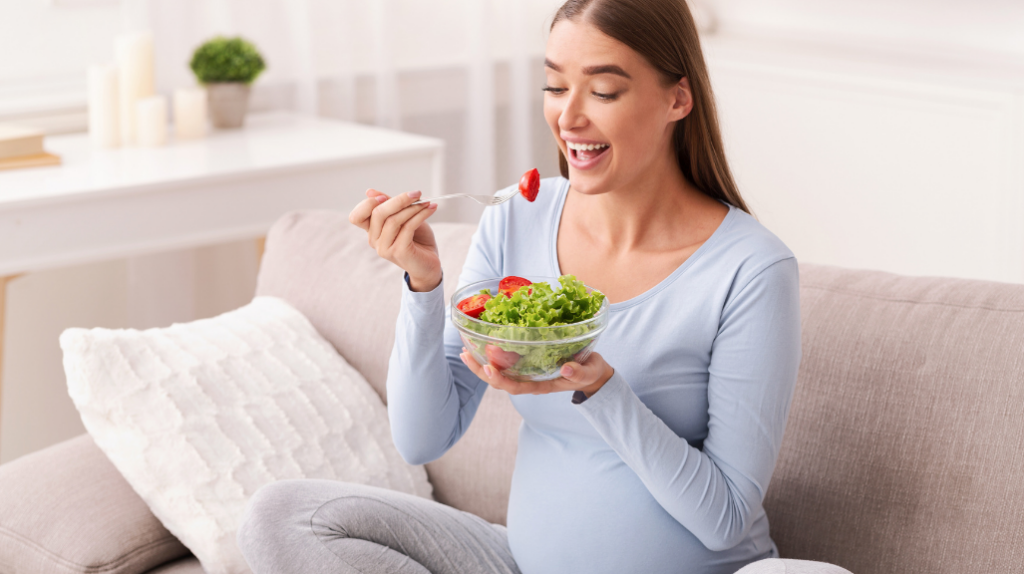
Pregnancy is one of the most important phases in a woman’s life, and nutrition plays a critical role in ensuring a healthy mother and baby. Following a well-planned pregnancy diet chart helps support fetal development, maternal health, and overall pregnancy outcomes. Whether you have conceived naturally or through fertility treatment, understanding what is a pregnancy diet and how nutritional needs change throughout pregnancy can help you make healthier choices for yourself and your baby.
Why Pregnancy Nutrition Matters
- Support baby’s brain and organ development
- Prevent anemia and nutritional deficiencies
- Maintain healthy weight gain
- Reduce pregnancy complications
- Improve energy levels
What Is a Pregnancy Diet Chart?
Many women ask, what is pregnancy diet chart and when to start pregnancy diet. A pregnancy diet chart is a trimester-wise nutritional plan that helps ensure the mother receives essential vitamins, minerals, proteins, and calories required for a healthy pregnancy. Ideally, healthy eating habits should begin before conception and continue throughout all stages of pregnancy.
Diet During Pregnancy Trimester: Why It Changes
The nutritional requirements of pregnancy are not the same throughout all nine months. A proper diet during pregnancy trimester approach ensures that both mother and baby receive the right nutrients at the right stage of development. Each trimester has unique nutritional priorities based on fetal growth and maternal health needs.
First Trimester Diet (Week 1–12)
Many women wonder, is it ok to diet while pregnant first trimester or can you diet while pregnant first trimester. Pregnancy is not the time for restrictive dieting or weight-loss programs. Instead, the focus should be on consuming nutrient-rich foods that support early fetal development while managing symptoms such as nausea and fatigue.
Key Nutrients
- Folic acid
- Iron
- Vitamin B6
- Protein
- Choline
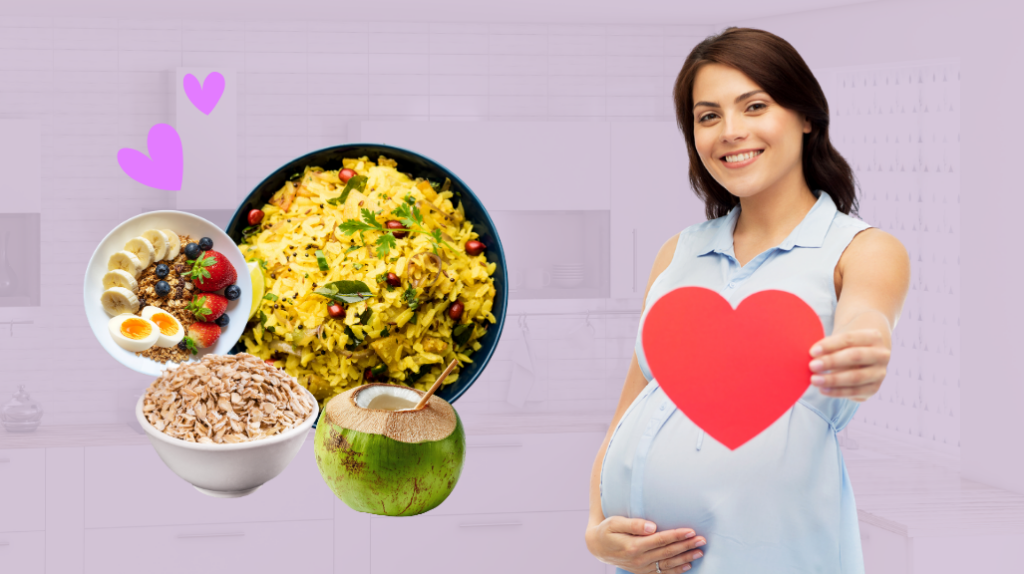
What to Eat
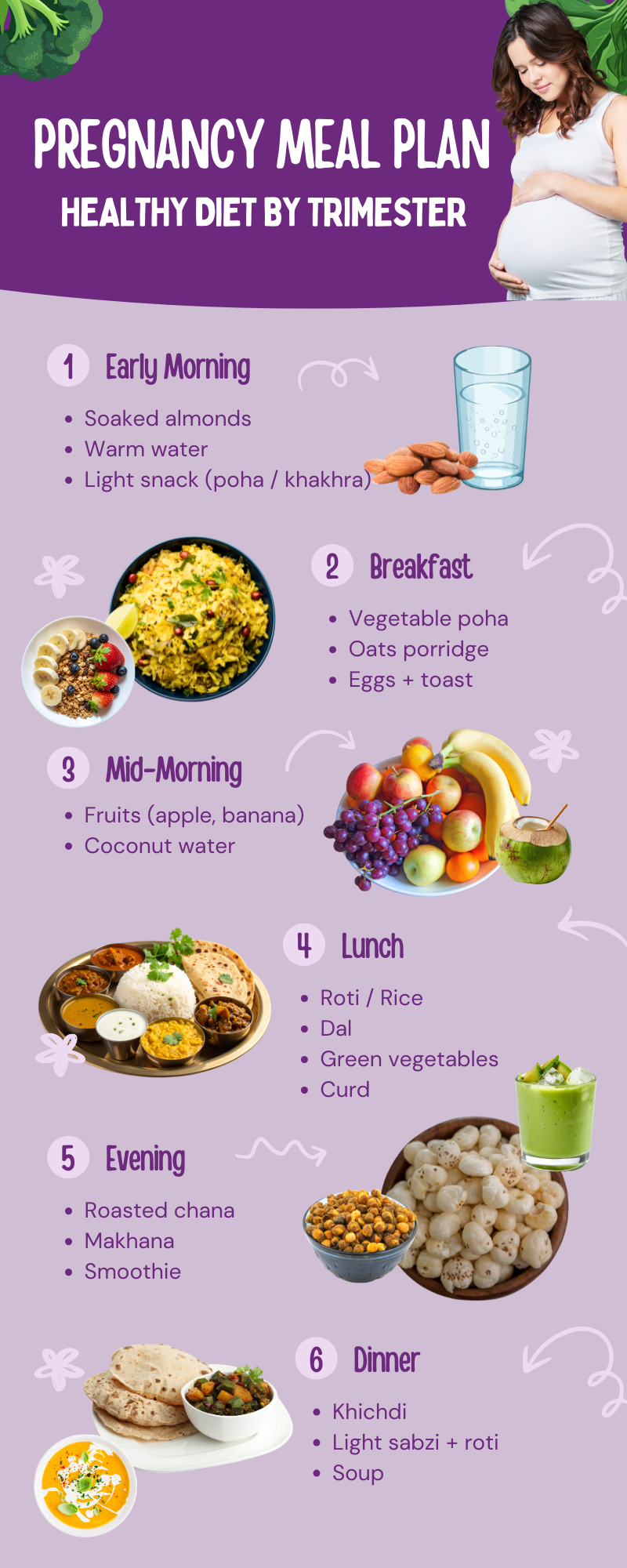
Early Morning:
Warm water + soaked almonds or light snacks like poha or khakhra
Breakfast:
Vegetable poha / oats / eggs with toast
Mid-Morning:
Fruits like banana, apple, pomegranate
Lunch:
Roti or rice + dal + green vegetables + curd
Evening:
Roasted chana / makhana
Dinner:
Khichdi / light sabzi + chapati
Avoid caffeine, junk food, and undercooked food.
Second Trimester Diet (Week 13–27)
Some women ask, can I diet while pregnant second trimester. During this growth phase, the goal should not be weight loss but maintaining balanced nutrition and healthy weight gain under medical supervision. Adequate protein, calcium, and iron intake become especially important during this stage.
Key Nutrients
- Calcium
- Protein
- Iron
- Vitamin D
- Omega-3
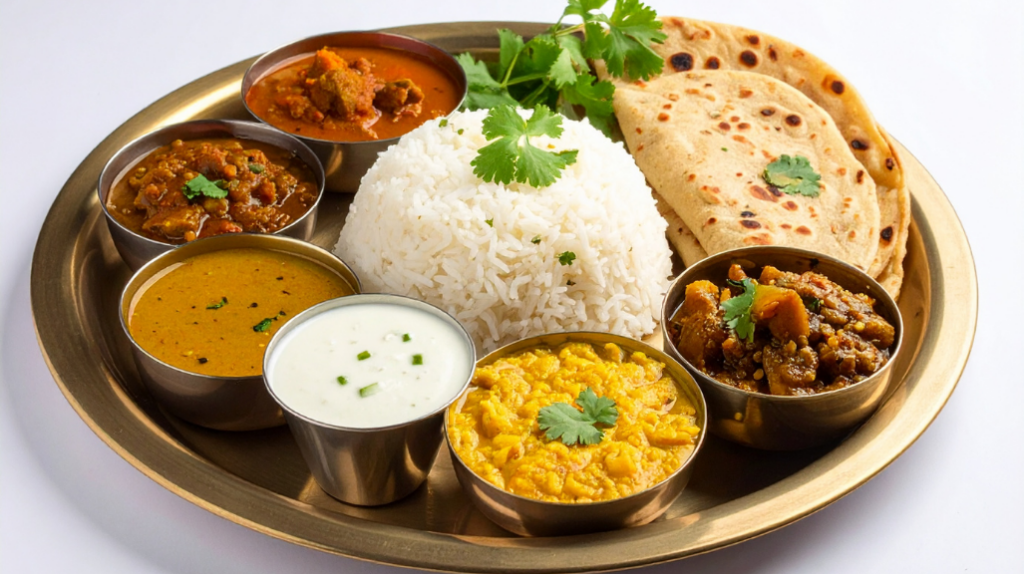
What to Eat
Breakfast:
Paneer paratha / idli / omelette
Mid-Morning:
Fruits or buttermilk
Lunch:
Multigrain roti + dal + vegetables + salad
Evening:
Sprouts / nuts / corn
Dinner:
Brown rice + rajma / grilled protein / khichdi
Hydration: 2.5–3 liters daily
Third Trimester Diet (Week 28–Delivery)
As delivery approaches, many women become more conscious about food and beverage choices. A common question is whether diet soft drinks are safe during pregnancy. Since recommendations vary depending on individual health conditions and caffeine intake, it is best to discuss specific dietary concerns with your healthcare provider.
Key Nutrients
- Iron
- Protein
- Fiber
What to Eat
Breakfast:
Oats / upma / egg bhurji
Mid-Morning:
Fruits like apple, orange, guava
Lunch:
Roti + dal + vegetables + curd
Evening:
Soup / makhana / chikki
Dinner:
Light meals like daliya or khichdi
Avoid excess salt and sugar.
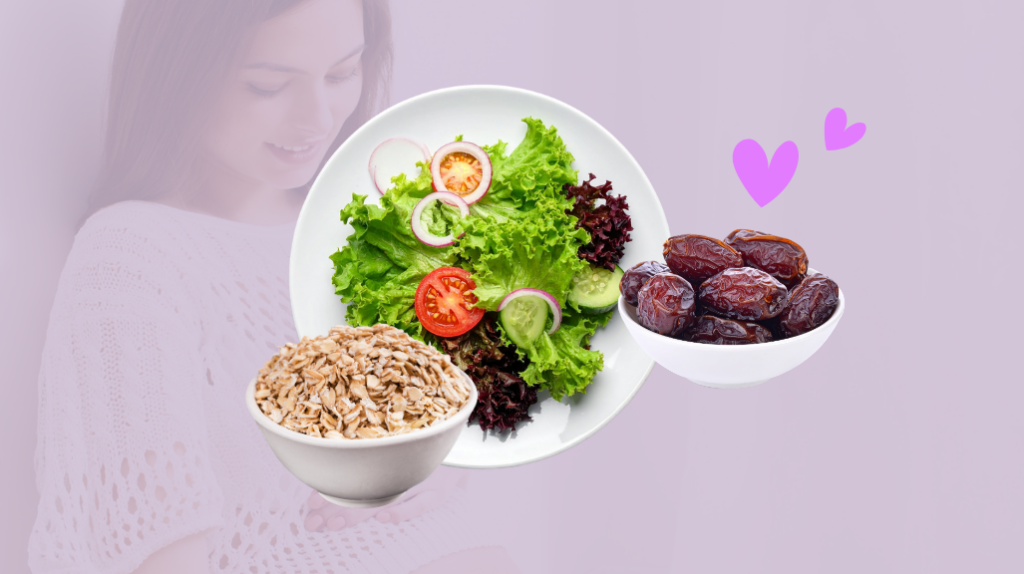
Which Trimester Is Diet Most Important?
Many mothers ask which trimester is diet most important. The truth is that nutrition is important throughout pregnancy. However, the first trimester supports organ formation, the second trimester supports growth and bone development, and the third trimester supports weight gain and brain development. Consistent healthy eating across all three trimesters is essential.
Foods to Avoid During Pregnancy
- Raw or undercooked meat
- Unpasteurized dairy
- High-mercury fish
- Junk and processed food
- Alcohol and smoking
- Excess caffeine
Does Pregnancy Diet Affect Baby?
Yes. One of the most common questions expectant mothers ask is does pregnancy diet affect baby. Maternal nutrition directly influences fetal growth, brain development, birth weight, and overall pregnancy health. A balanced pregnancy diet chart helps provide the nutrients required for healthy development throughout pregnancy.
Weight Gain During Pregnancy
- First trimester: 1–2 kg
- Second trimester: 4–5 kg
- Third trimester: 5–6 kg
What Are Pregnancy Dietary Restrictions?
Pregnancy dietary restrictions are designed to reduce the risk of infections, foodborne illnesses, and nutritional imbalances. Common restrictions include avoiding raw meat, unpasteurized dairy products, excessive caffeine, alcohol, and certain high-mercury fish. Your doctor may recommend additional dietary modifications based on your medical history.
Special Nutrition Tips for IVF Pregnancies
- Increase protein intake
- Follow prescribed supplements
- Maintain balanced diet
- Avoid crash dieting
- Monitor health regularly
When to Consult a Specialist
- You are trying to conceive for 6–12 months • You have irregular cycles • You have PCOS or thyroid issues • You are above 35
Why Choose Orchid IVF Center
- fertility treatments
- Personalized pregnancy guidance
- guidance under Dr. Puja Ghorpade
Contact Orchid IVF Center
202, Second Floor, Eternity Square,
Opp. RTO Office,
Tarabai Park, Kolhapur